On Galveston Island, a garden is never just a garden. It is a conversation between land and light, between what existed long before us and what we choose to add.
It carries the same layered character found in the island’s historic neighborhoods, where wooden balconies and wide porches overlook brick sidewalks, and centuries-old live oaks stretch their limbs above freshly painted cottages.
In this setting, an outdoor space becomes a continuation of the home’s story, and the way we shape it with pathways and hardscaping quietly guides how that story unfolds.
A garden path is one of the most powerful tools a homeowner has. It guides both eye and foot, leading visitors through flower beds or along the side of a house toward a hidden courtyard or back gate.
In a city shaped by promenades, porches, and gracious walks, pathways carry a special resonance. They invite movement and discovery - a slow unfolding rather than a hurried trip from one place to the next.
A gently curving walkway can make even a modest yard feel more expansive, encouraging you to pause and take in the textures, shadows, and plantings that bring a garden to life.
Material choice is especially important in Galveston’s humid, salt-laden air and ever-changing weather. Increasingly, homeowners are choosing gravel and decomposed granite for informal paths because they drain well and adapt to shifting ground.
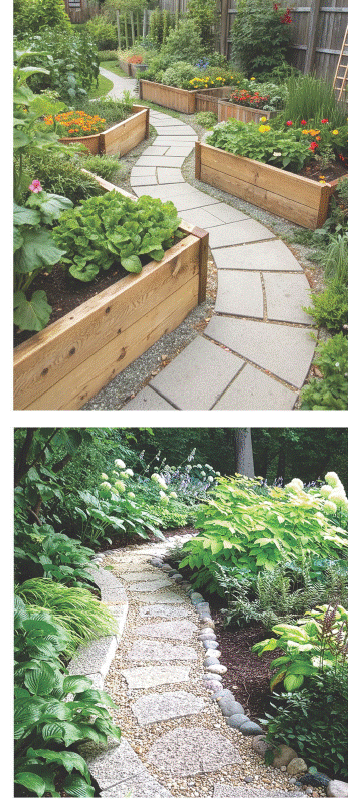 These finely crushed surfaces create a firm walking plane while allowing rainwater to pass through rather than puddle. The effect is both practical and beautiful, lending gardens a relaxed, old-world charm that suits the island’s architectural heritage.
Brick remains a perennial favorite. It echoes the historic streets and Victorian homes that define Galveston’s visual identity and holds up well when properly installed.
Whether laid in a classic running bond or a looser, more casual pattern, brick develops a soft patina over time that makes it feel as though it has always belonged. Reclaimed brick is especially prized, bringing with it a tangible link to the island’s past.
Natural stone - from limestone to travertine - offers another enduring option. Light-colored stone and porcelain pavers are particularly well suited here, reflecting heat and staying cooler underfoot during long summer days.
When edged with native grasses or low, drought-tolerant ground covers, these materials strike a balance between refined design and relaxed garden living.
Concrete has also evolved into a surprisingly elegant choice. No longer limited to plain slabs, it can be poured in clean panels, textured for grip, or stained to complement surrounding materials.
Installed with permeable joints or paired with gravel borders, concrete becomes part of a thoughtful system that manages stormwater while providing crisp structure.
Hardscaping extends beyond pathways to define where outdoor life truly happens. Courtyards, patios, and low retaining walls create inviting rooms under the open sky, shaping how people gather and how gardens grow.
In places where soil shifts or water tends to pool, raised beds edged in stone or brick protect plantings while bringing a sense of structure. These features work with the landscape, guiding water and soil so both plants and people can thrive.
A standout trend in Galveston gardens is the thoughtful mix of textures and materials. A gravel path framed in stone, a sleek patio softened by weathered wood, or brick paired with smooth porcelain adds depth and a curated sense of character.
The blend of clean lines and natural materials mirrors the island itself, where historic charm and modern living meet with ease.
Lighting adds another layer of transformation. Low-profile path lights, soft uplighting on trees or architectural details, and gentle accents around seating areas carry the garden gracefully into the evening hours. Solar fixtures have become especially popular, pairing sustainability with a warm, understated glow after dark.
 Water-wise design is also taking center stage. Permeable pavers, rain gardens, and native plantings help reduce runoff and conserve water while supporting local wildlife.
Together, these choices create gardens that are more resilient, easier to care for, and perfectly attuned to island living.
In a community where homes sit close together and history runs deep, small gardens are part of the landscape. With the right mix of pathways, permeable surfaces, and layered design, even the tiniest outdoor space can feel deliberate, welcoming, and rooted in the island’s enduring character.
In compact yards, every choice matters. A narrow side yard or petite courtyard can feel either cramped or charming depending on how it is shaped.
A gently curving path, even one only a few feet long, creates the illusion of depth, encouraging the eye to travel rather than stop abruptly. Stepping stones set into gravel or decomposed granite keep the space light, practical, and visually open.
Here, hardscaping often has to do double duty. A compact paved square becomes both walkway and seating area, while a low retaining wall supports soil and doubles as a bench.
Raised beds define planting zones without giving up valuable walking space, and this kind of thoughtful, multi-purpose design allows small gardens to function with surprising ease.
Light-colored stone and cool-touch surfaces brighten tight areas and stay comfortable underfoot, while vertical elements - climbing roses, jasmine, trellises - draw the eye upward, making a garden feel taller and more expansive.
Texture adds depth. A strip of gravel beside a path, brick edging against concrete, or stone bands along planting beds introduce richness without consuming space. These details echo Galveston’s architectural tradition, where fine craftsmanship lends even modest homes a quiet elegance.
Lighting completes the transformation. A lantern by the door, soft path lights, or a gentle wash of illumination across a wall can turn a tiny courtyard into a private retreat. As night settles in, boundaries blur, shadows shift, and what felt small in daylight becomes intimate and inviting.
Whether expansive or compact, Galveston gardens flourish when they’re shaped with intention. When pathways invite rather than hurry, when materials respond to the environment, and when history is reflected in every choice, outdoor spaces become something deeper than ornament.
They become places to pause, to gather, and to feel rooted - extending the home’s story into the living landscape just beyond the door.